Mid-August 2019
The Norfolk Fungus Study Group meets regularly throughout the year to survey sites for fungi, but the group also conducts ad-hoc searches or monitoring for particular species as suggested by the Lost & Found fungus project here:
http://fungi.myspecies.info/content/lost-found-fungi-project-rusts-smuts-and-allies. In recent years we have successfully found the (previously considered) rare rust
Puccinia cladii on Saw Sedge, and it was suggested that the group should look for the rust on Cowbane,
Puccinia cicutae. Cowbane is quite a scarce plant nationally, but is locally common in the Broads along the edge of waterways.
With all this in mind, the group had obtained permission to survey Wheatfen in the hope of finding Cowbane Rust. This meant going out on a boat, as most of the Cowbane isn't accessible from the paths. The amount of waterweed meant motor vessels were out, and before our visit the warden had found that there was too much vegetation for the work boat to go out either. It was therefore down to six of us to take out three small boats that could still get down the dykes that link Wheatfen Broad and Deep Waters. I should point out that any form of canoeing or boating is not allowed at Wheatfen other than for conservation purposes and with permission of the warden/Ted Ellis Trust.
Will and Kevin helped us launch the boats, and we spent a very pleasant couple of hours travelling along the dykes and edges of the larger waterbodies, checking every clump of Cowbane we encountered. Sadly for us it all looked healthy, although of course it could be that the rust would have developed later in the year, so another visit at some point might be wise.
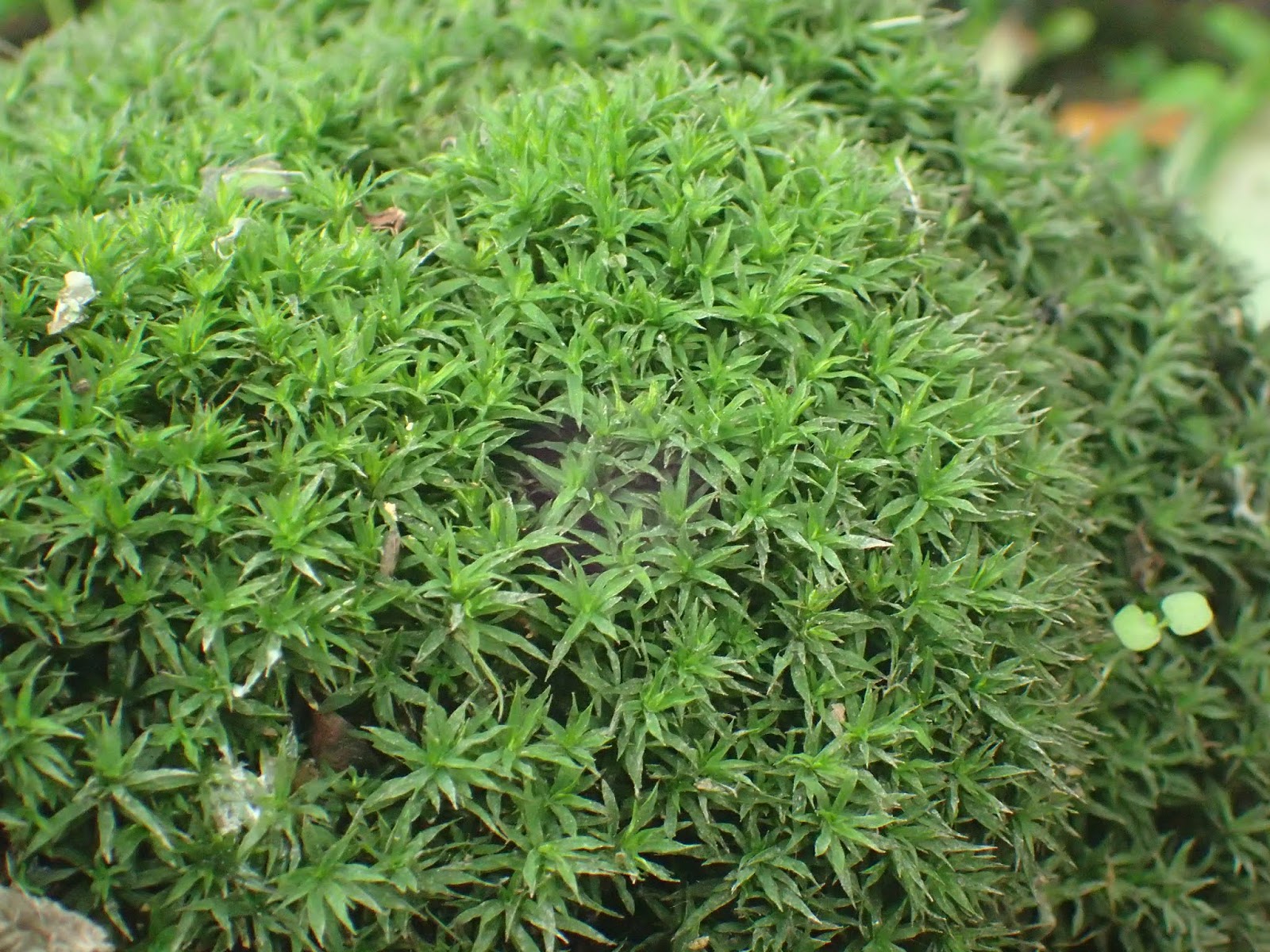
After a rest and a drink we then went out for a walk around part of the reserve. We were shown some of the plants that Ted Ellis had planted and have now naturalised, namely Greater Burnet-saxifrage and Broad-leaved Ragwort, which don't occur anywhere else in Norfolk. We were then taken off-piste into one of the boggy areas of tidal woodland, where after some searching and loss of wellies Will managed to locate a small population of the very rare moss Timmia megapolitana, whose only UK population is at Wheatfen.
Despite not seeing the rust I did see a new fungus - there hadn't been space in the boats for Neil so he had gone for a walk instead, and he returned with an Iodine Bolete (Boletus impolitus), which as the name suggests has a strong smell of Iodine at the base.
Many thanks to Will and the Ted Ellis Trust for helping us with the survey and walk, it was a privilege to visit some new parts of this excellent site.