The Whitlingham Bird Report for 2025 is now available to download from the Bird Reports page or from here

Showing posts with label Trinity Broads. Show all posts

BROADS: A trip to Trinity Broads looking for fungi

Mid June 2023

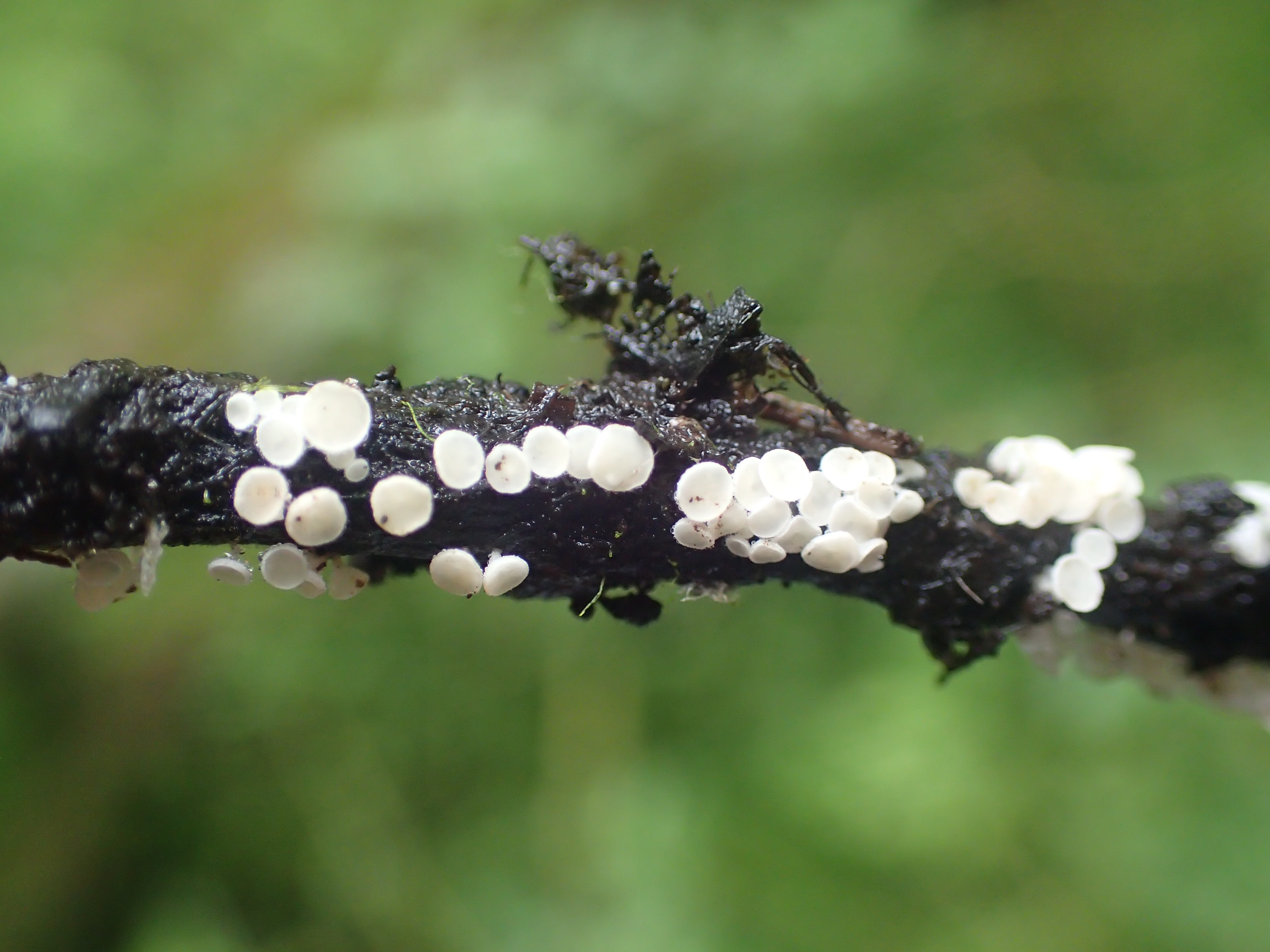
In June the Norfolk Fungus Study Group visited Trinity Broads, specifically an area of woodland near Rollesby. The dry weather meant that there wasn't much in the way of 'cap and stem' fungi, but we did find quite a few interesting things in a relatively small patch of wet woodland, as well as enjoying some nice views over the broad. Some of the new species for me included Podosphaera mors-uvae (American Gooseberry Mildew), Hymenoscyphus salicellus, Vibrissea filisporia and Pandora dipterigena (the latter a fungus on mosquitoes).




Afterwards we had a quick walk around the boat club woods, where we also had permission to record. Here I saw the bug Cyllecoris histrionus for the first time. The visit was also quite good for psyllids - the total of seven species is the most I've recorded in a single day. All were fairly common species - Baeopelma foersteri and Cacopsylla fulguralis were the most notable ones.


BROADLAND: Burgh Common fungi & leaf mines

11th August 2018

The August after one of the hottest and driest summers in recent memory didn't seem like a promising time for a fungus foray, but having missed the last couple and this being a site I'd not visited before, I was hopeful that there would be a bit about. As Burgh Common has no formal parking, we met nearby before cramming into two cars (and Neil on his motorbike) and heading down a windy track to the start of the reserve.

Some areas usually covered by water had dried up, enabling some searching of reedy areas, but much of the stuff we did find was in the patches of woodland. Some of these did turn out to be new to me, including Nitrous Pinkgill (Entoloma politum), Goblet Parachute (Marasmiellus vaillantii) and Orbilia luteorubella. Unfortunately the most showy species, some nice reddish Boletes couldn't be identified to species. Out in the meadows some cow dung finally provided some moisture, with Coprinopsis stercorea taking advantage.

 Coprinopsis stercorea
 Bolete sp.

The weather seemed more suitable for insects, and the presence of Stewart ensured that we saw lots of leaf mines. There was an almost full set of Alder species, and quite a few from Birch and Hawthorn. The scarcest species were Enchanters Cosmet (Mompha terminella) in Enchanter's Nightshade, Bittersweet Smudge (Acrolepia autumnitella) in Woody Nightshade, and Little Bent-wing (Leucoptera lotella) in Bird's-foot Trefoil.

 Mompha terminella
 Acrolepia autumnitella
 Leucoptera lotella

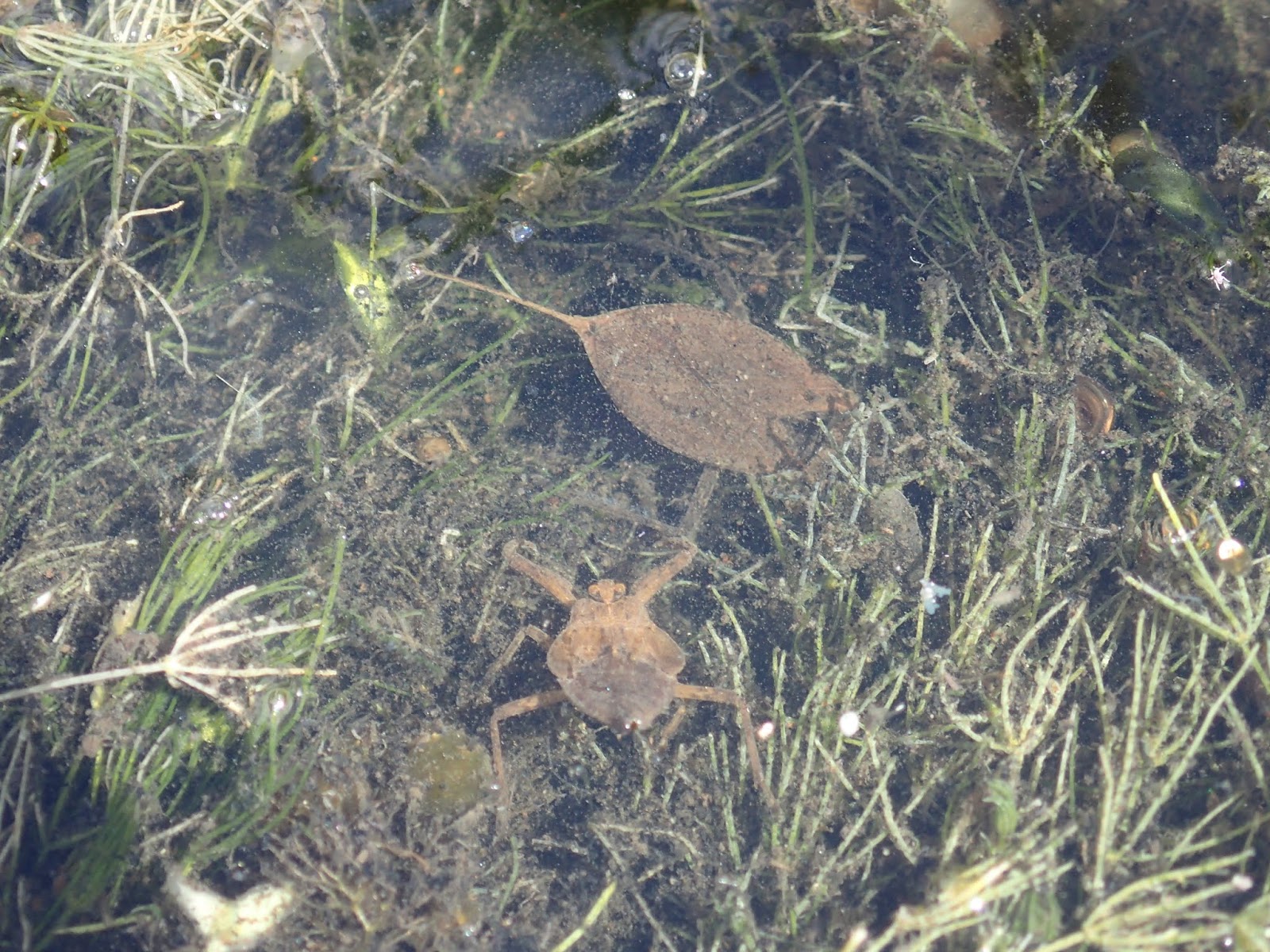
Other highlights of the visit included a Skullcap Sawfly larva, two Water Scorpions and some Bladderwort, whilst a Marsh Harrier did a close flypast.