The Whitlingham Bird Report for 2025 is now available to download from the Bird Reports page or from here

Showing posts with label Thorpe Marsh. Show all posts

THORPE MARSHES: Late spring visit

Late May 2023

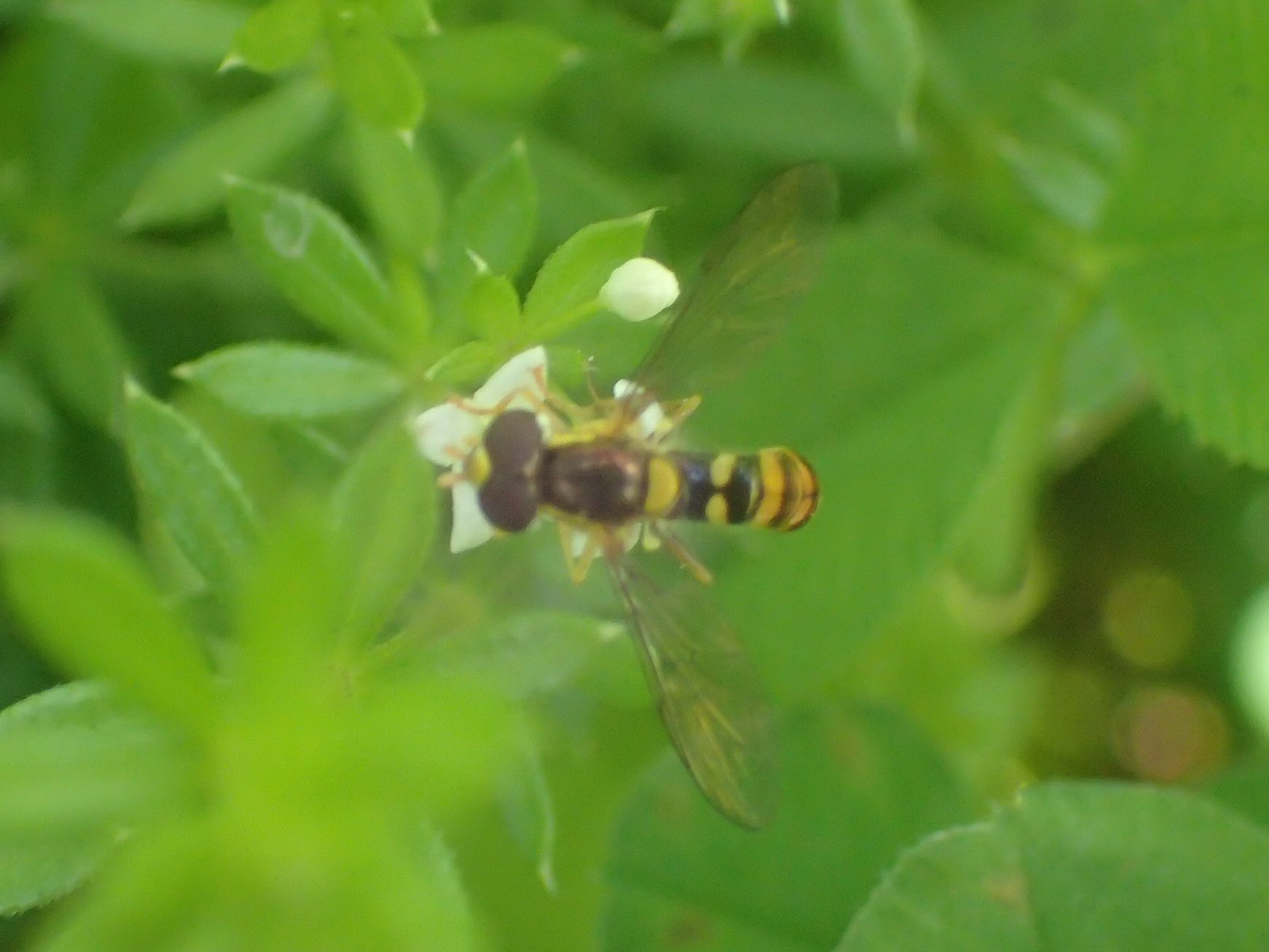
A couple of hours spent around a sunny Thorpe Marshes. A good sign that it wasn't too busy was a Grey Heron beside the path out onto the marsh, which reluctantly flew as I approached. Two recently fledged Stonechats could be seen further across the marsh, pleasing to see this species is still hanging on in this urban-ish location. The highlight of the visit was a new bug for me, Pachybrachius fracticollis, but there was plenty else of interest including lots of European Chinchbugs, several Anasimyia lineata hoverflies and great views of a settled Hairy Dragonfly. A smut fungus, Anthracoidea subinclusa, was found on Carex riparia, whilst on Hawthorn were some adult Cacopsylla peregrina psyllids.


THORPE MARSHES: Gull rings and birds of prey

Mid December 2022

Whilst the rest of the family were in the city I popped to Thorpe for an hour or so. I started at the river green to look for ringed Black-headed Gulls. Rather disappointingly I didn't see any foreign ringed birds (in previous years two yellow ringed Polish birds have been easy to see here plus occasional others) but I did see at least six locally ringed birds, successfully reading the codes of four of them (remember you can report UEA ringed gulls here for an instant life history: Seen one of our birds? – Waterbird Colour-marking Group (waterbirdcolourmarking.org))


I then had a quick look around Thorpe Marshes. A Buzzard flew in and landed in a dead tree, whilst further round I also got good views of a Kestrel perched up along the edge of the path. A Green Woodpecker also flew onto a nearby tree, although unfortunately a walker came past shortly afterwards and it flew off towards the railway line.


WHITLINGHAM: Thorpe Walnut gall and marshes visit

Mid August 2022

A brief visit to Thorpe Marshes began with an interesting gall on Walnut. As well as the usual blister galls caused by Aceria erinea I noticed some small pimple galls caused by Aceria tristriata. There are no records of this latter species on the county database or in the two books about Norfolk galls, although I found out that it has been seen before in Norfolk - I've written a bit about this for the next NNNS "Natterjack".


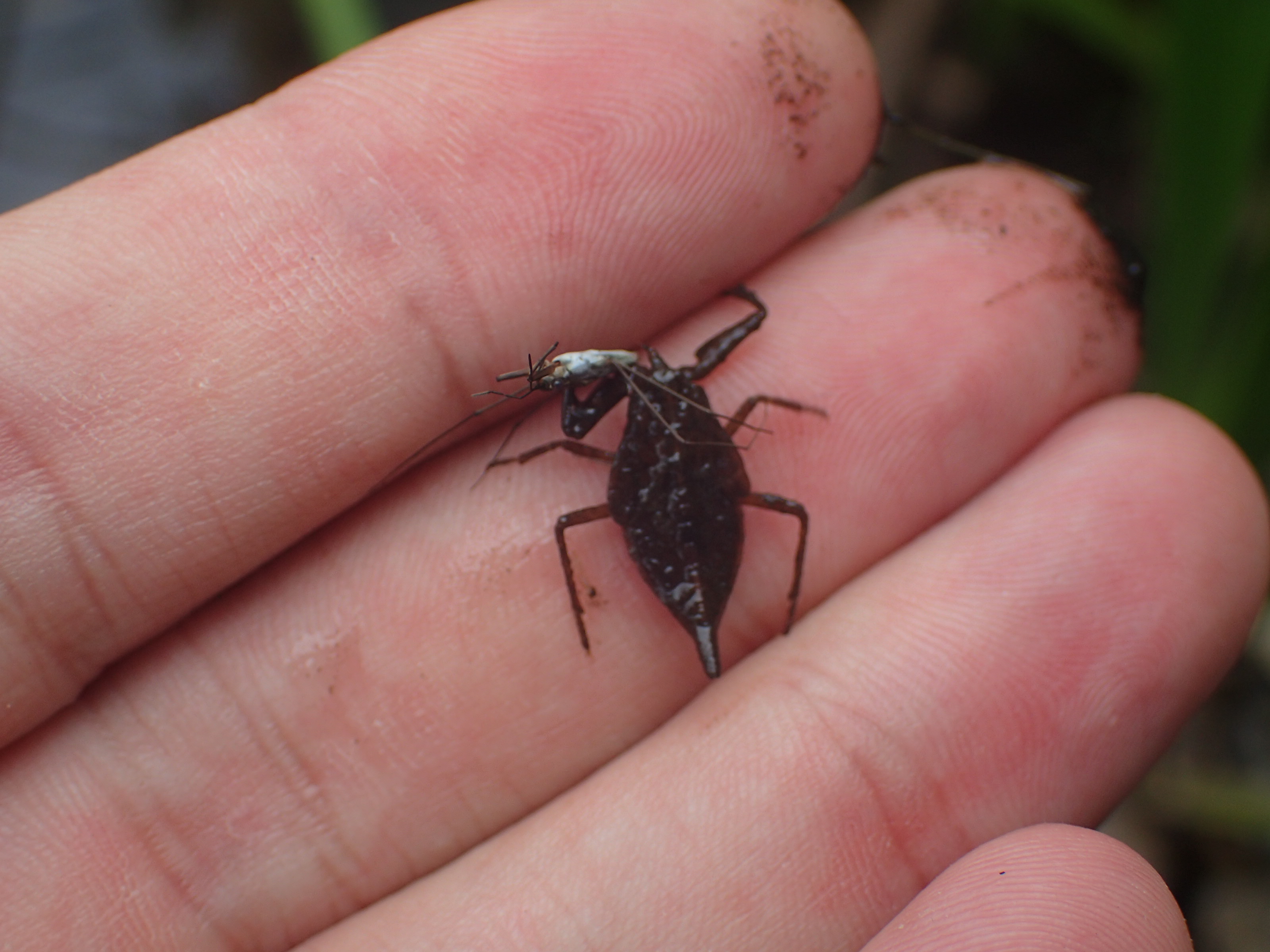
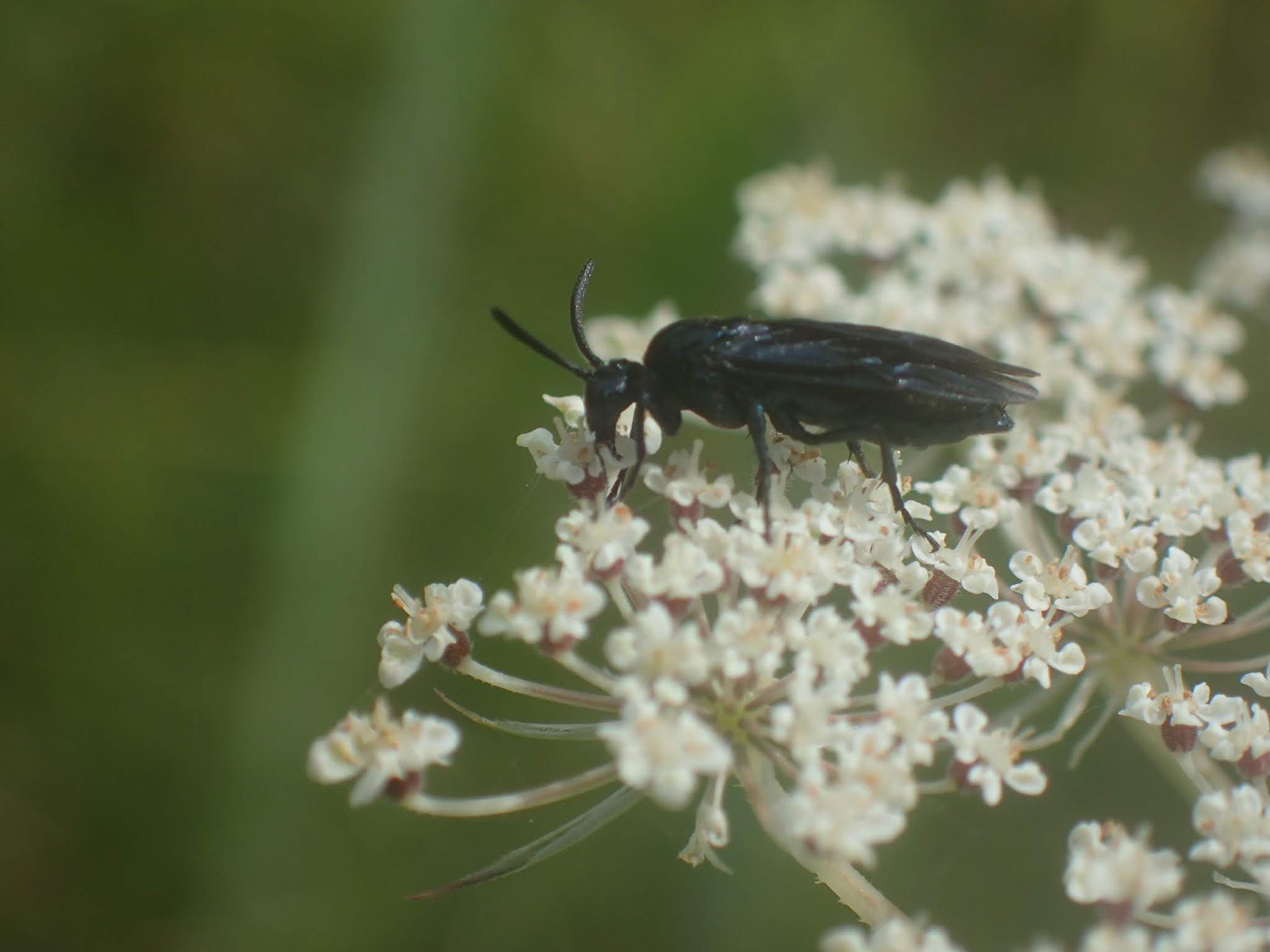
Looking into one of the pathside ditches I noticed a Water Scorpion. On closer inspection it had just caught a Pond Skater, which I manged to get good enough pictures of to confirm as Gerris lacustris. There were two particular highlights of the visit, firstly a new sawfly for me, Tenthredo omissa (previously recorded here by Vanna Bartlett). The second was Tasteless Water Pepper, Persicaria mitis. I had seen water pepper here before, but something about it looked a bit different to usual, and as it didn't taste peppery I checked a bit with Jo Parmenter, who was able to confirm it was the much scarcer alternative species. Two Dasysyrphus tricinctus hoverflies were also of note - I have seen this species before, but only at this site.


THORPE MARSH: A rainy spring visit

Early May 2022

My first visit to Thorpe Marshes of the spring was probably most notable for bumping into a handful of people I'd not seen for a while, notably Chris, Susan, Ann and Stuart. I was hoping that some showers would pass through and bring some hirundines, and this did indeed happen, bringing my first Sand Martins of the year. Unfortunately for me the rain then got harder and I got completely soaked. Before I crossed the bridge I noticed a Mottled Umber moth caterpillar and an aphid parasitised by a Praon-type wasp. The damp weather meant not many insects about on the marsh, but Dock leaves with Puccinia phragmitis clustercups on are always nice to see, and I spent a delightful few minutes only a few feet away from a Grey Heron.


THORPE MARSH: Toadflax Brocade caterpillars & insect highlights

Mid July 2021

Thorpe Marsh is the more neglected bits of my patch, so I made an effort to visit this month. Before going onto the marsh I walked around some of the local residential streets to check out areas of Purple Toadflax. My target was caterpillars of the recent colonist Toadflax Brocade moth (https://www.norfolkmoths.co.uk/index.php?bf=22230). These larvae were first recorded in Norfolk in 2019, and so far have not turned up in my own garden, but I was pleasantly surprised to find them on the second patch of plants I checked.


 I then spent a couple of hours walking around Thorpe Marshes. Little Egret was the pick of the birds, but I did find an overdue target species, Red Marsh Ladybird (Coccidula rufa). This species has been recorded here before, but I also hope at some point to find the other wetland Coccidula species here. At the Bungalow Lane end I found a new bug for me, Salicarus roseri, and a bit further along there were some Caliroa cinxia larva stripping the underside of an Oak leaf.


THORPE MARSHES: A range of beetles and a rare case-bearer

Early June 2021

A couple of hours at Thorpe Marsh turned out to be very profitable for invertebrates. Dolerus aericeps, a sawfly associated with horsetails, was found on the permissive path, and was followed by a succession of 'new' beetles. Firstly the weevil Notaris scirpi, then whilst looking for Spotted Marsh ladybirds I noticed a peculiar-looking Monoceros Beetle, which was trumped shortly after by an Ant Beetle.


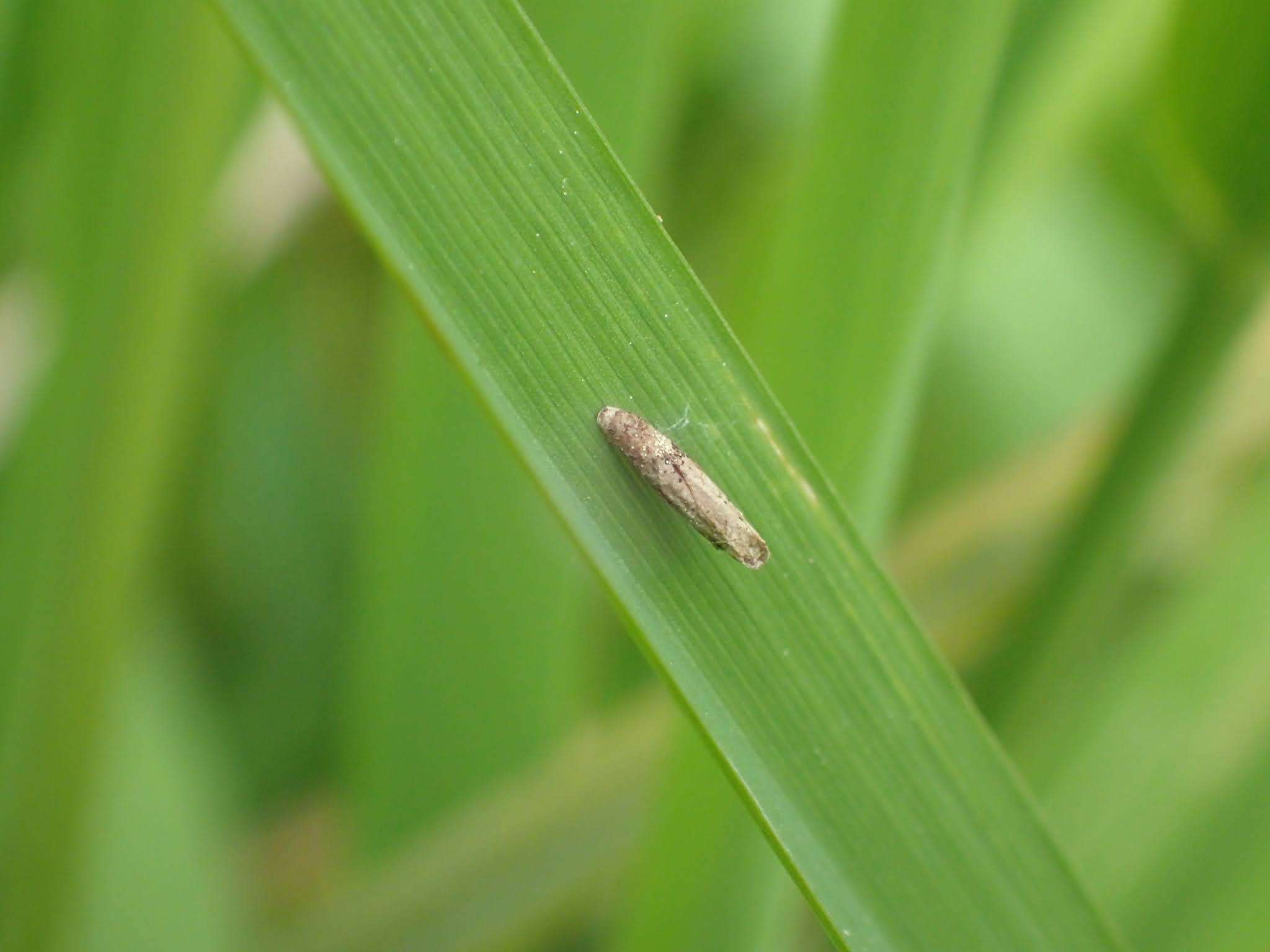
Whilst not as spectacular, in recording terms these were all trumped by a Coleophora larva, which Rob Edmunds identified as Sandy Case-bearer (Coleophora lithargyrinella), the first Norfolk record since 1874. Interestingly both this species and Monoceros Beetle are often found in drier, sandy habitats, but were present here at the edge of the grazing marsh.


THORPE MARSHES: Late Nov Red-breasted Merganser

Late November 2020

As a month of staying within a few miles of home drew to a close there was a final flourish, with a drake Red-breasted Merganser on the broad at Thorpe. A rare species inland, this was only the fourth local record in the past 30 years, so it was fortunate that it turned up on a weekend.


THORPE MARSHES: On the lookout for rare caterpillars

 Mid-August 2020

Thorpe Marshes has a good range of wetland plant species, including two that could potentially host rare moth species (Meadow Rue is the foodplant of Marsh Carpet, and Water Dock is the foodplant of the Water Dock Case-bearer, Coleophora hydrolapathella). I decided to pop in one lunchtime and have a look around these plants in the hope of detecting either species. I didn't, but most of the Water Dock isn't accessible and there isn't that much Meadow-rue either. One plant that is doing well is Greater Water Parsnip, a rare species that has been planted here as part of the Water, Mills and Marshes project. I was pleasantly surprised to see that it seems to have taken well.

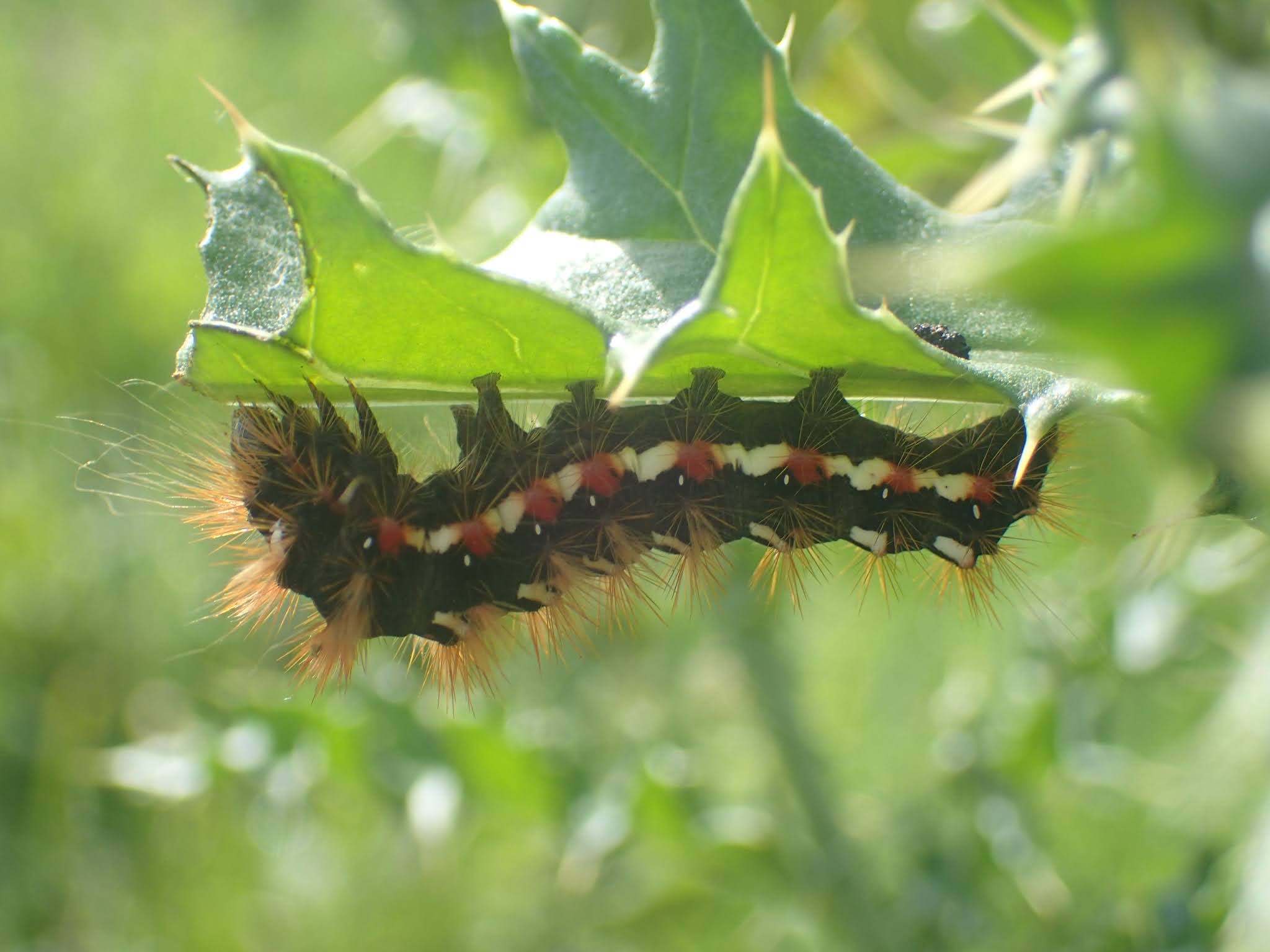
Whilst there was no luck with the target larvae, I did manage to see a Knotgrass moth caterpillar, and also a new hoverfly, Sphaerophoria rueppelli. A Tortoise Shieldbug and my first Painted Lady of the year were also of note.


THORPE MARSHES: Savi's Warbler

13th June 2020

As we neared the longest day of the year lay-ins had gone out of the window - Rose was waking up early due to a combination of the light mornings, dawn chorus and us not tiring her out as much without her toddler groups. I was therefore already downstairs having had breakfast when early morning news broke of a Savi's Warbler reeling at Thorpe Marshes. This was a genuine county rarity and a first for the site. It was also a species that because of breeding potential might be kept quiet in other circumstances, (indeed it apparently had been heard a few days ago but not been reported). Cathy very kindly said I should go and have a look, and after finding my recently acquired Norwich City face mask I was soon out of the door.

It was a lovely sunny morning down at the marshes. When I arrived nobody was there obviously watching anything, but James Lowen and several others had arrived just ahead of me, and it was James who first heard the Savi's Warbler reeling from some sedges a bit further round on the marsh. We walked round, distancing not being a problem as it could be heard from a long section of path. For 20 minutes for so it called on-and-off unseen, before flying back and taking up a new position. This time it was out in the open albeit distant. I took a short video of it reeling on my phone, and a pointless record shot which I shall reproduce below (its the brown smudge in front of the third willow from the left!) This was only the second Savi's I'd seen, following one at Strumpshaw years ago.


Two Grasshopper Warblers were also reeling, which was nice for direct contrast, and a Cuckoo called in the distance. Under different circumstances it would have been a lovely day to spend sometime soaking up the atmosphere, but aware that I have left the house at short notice and wanting to avoid the possibility of crowds I headed back, stopping to check some buttercups where there were several of the tiny hoverflies Neoscia meticulosa. The Savi's Warbler stayed for about 10 days, often showing well, and as far as I'm aware behaviour on site was good, vindicating the decision to put out the news (realistically given how busy the site has been this spring it would have been hard to keep it quiet for any length of time).

THORPE MARSHES: Corncrake

Late May 2020

Despite lockdown, or perhaps because of it, there had been a good range of bird species recorded from Norwich this spring. Corncrake was probably still one of the least expected, so when one was found calling at Thorpe Marshes it understandably caused quite a bit of interest. It is highly likely that it is one of the birds released in the Wensum Valley by Pensthorpe as part of their reintroduction project, albeit that still means that it is likely to have made the migration to Africa and back which is no mean feat. I hadn't twitched anything over the strictest part of the lockdown, and had also resisted going to hear a Quail in west Norwich a few days before, but the fact that it was on my patch made me at least want to go and hear the Corncrake (a few lucky people have seen it, but it doesn't seem to show with any regularity). In the end I went to Thorpe Marshes one evening, and after a nervous wait listening to the Grasshopper Warblers the Corncrake finally started calling. It seems quite settled, so who knows, maybe next year it will attract a friend?

I contacted Pensthorpe monitoring team just to check they knew about it, and one of the ringers in the project confirmed that they were assuming it was one of theirs. The publicity document states that in 2016 69 birds were released (32 males) and in 2017 it was 154 (68 males) but I haven't heard back about the number of releases in 2018 or 2019 - if you know then please get in touch as that would be useful background information.

YARE VALLEY: End of 2019, start of 2020

1st January 2020

The end of 2019 saw a couple of short visits that I didn't get round to blogging about. Firstly a visit to a flooded Thorpe Marshes, where I was surprised by the amount of tree removal that had gone on, meaning the pools south of the marsh path are now completely visible and the edge of the broad has an open area. Of course its swings and roundabouts, there is now less scrub for small birds in that area but some potentially interesting new edge habitats. Two Stonechats were the only birds of note.


 Note that this is the path rather than a dyke

We also called in to Strumpshaw as a family one afternoon. Having shown Rose a Chinese Water Deer out on the marsh she announced she wanted to see "more deer". On our way back we then spotted two Muntjacs in the woods. Rather than satisfy her desire to see deer, this was greeted by "MORE deer" - I hope that each trip out isn't now going to be judged solely on the presence or absence of deer sightings.

The new year began in similar style to the previous one, as we had stayed at home watched Jools Holland and said rude words about people releasing fireworks all the time (seriously, if you have bought fireworks to celebrate New Years Eve, why release them at 23:30 or 00:30?) I managed to see 14 species from the house/garden, one up on 2019, followed by a Jay that flew over as we got in the car. We then headed down to Whitlingham for a family walk, seeing 24 species. The resident Barnacle Goose plus Shoveler and Little Egret were probably the most notable birds - Justin's drake Red-crested Pochards from the morning had departed and there was no sign of Schrodinger's Mandarin, which seems to exist in a quantum dimension inhabited only by other birders.

WHITLINGHAM: August insects and new sightings

4th August 2019

Another early date for the monthly WeBS survey, and with Justin counting Thorpe I only popped in for a quick look before heading to Whitlingham. This was long enough to add a new species of damselfly to my patch list in the form of Small Red-eyed Damselfly. This species has been seen on a few dates in August over the past few years, but numbers have still to take off. This one was in the mooring basin alongside quite a few 'large' Red-eyed Damselflies. A young Tortoise Shieldbug was a surprise find, having previously only seen them in the Brecks or at Foxley Wood, but I found two at Thorpe and a further example at Whitlingham. A male Megachile (leafcutter) bee was also new to the patch list, although frustratingly I couldn't see it well enough to confirm an ID - M. centuncularis is the commonest local species whilst M. ligniseca is known to visit Burdock, so those are the main two candidates.


Round to Whitlingham and the number and species of wildfowl were all rather standard for the time of year. Mallard numbers just pushed three figures (101), no Gadwall or Tufted Ducks were seen and a gathering of large gulls on the Great Broad was mostly Lesser Black-backed Gulls (204) with a few Herring Gulls (10). Non-avian sightings included Four-banded Longhorn Beetle (an occasional find here) the distinctive ichneumon Gasteruption jaculator (new for me) and an all-black Arge sawfly (either A. berberidis or nigripes - a specimen needed for ID).


WHITLINGHAM: Late July visit

Late July 2019

A brief call in to Thorpe Marshes followed by Whitlingham C.P. A handful of new patch species were seen at Thorpe, including the mine of Agromyza albitarsis in hybrid Black Poplar, Striped Slender Robberfly and a Coelioxys sp, probably C. inermis.


At Whitlingham I heard a Nuthatch and saw feeding signs of Elm ZigZag sawfly. I had a look at the new bee hotel area above the cycle racks and was pleased to see a few small (and unidentified) bees inspecting the holes. Rather unusually the commonest insect on the blocks was Nettle Ground Bug, which were all over the wood blocks.