The Whitlingham Bird Report for 2025 is now available to download from the Bird Reports page or from here

WHITLINGHAM: Family woodland wander

8th November 2020

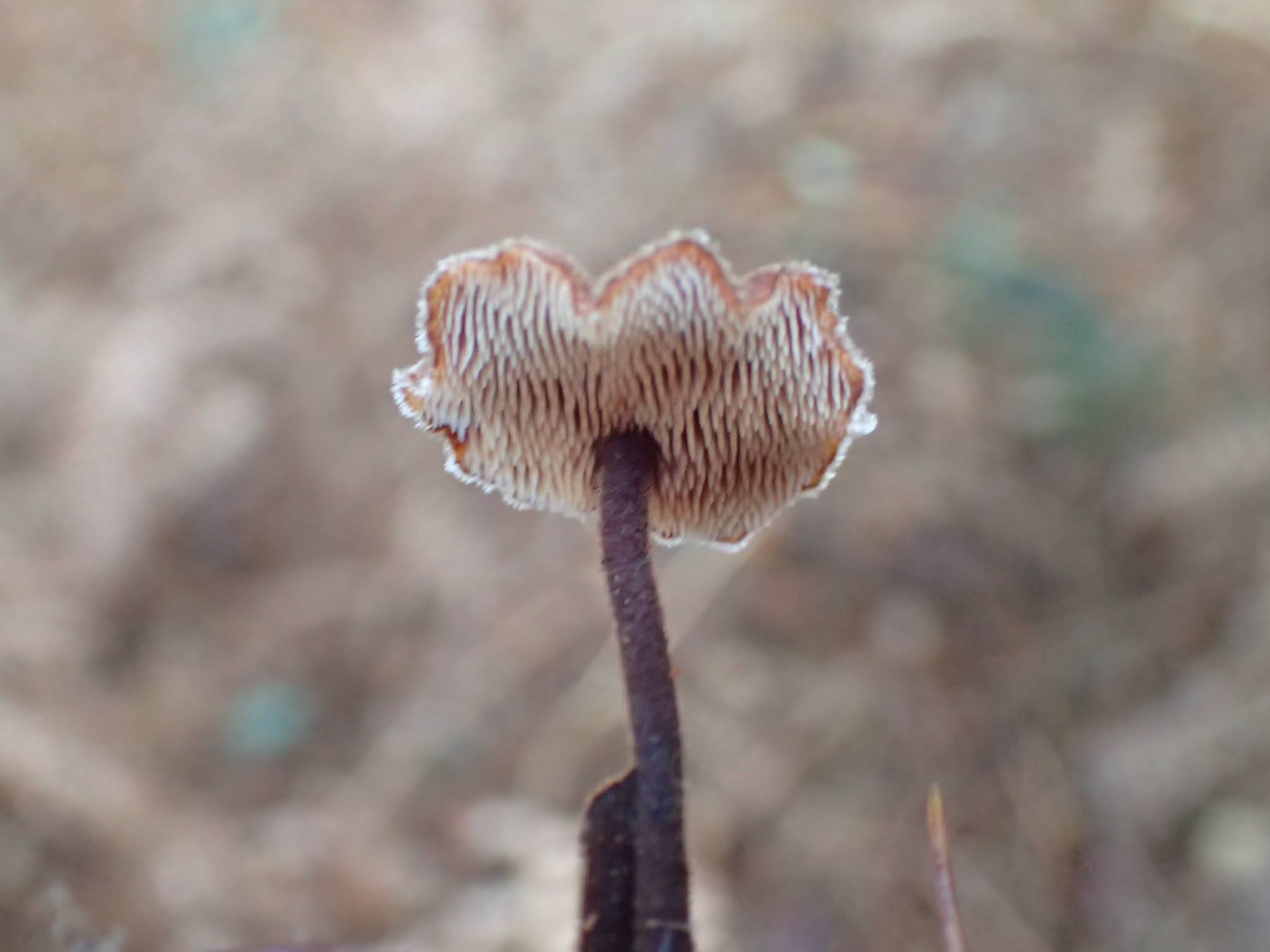
A family walk at Whitlingham Woods, in part accompanied by a Tree Slug as my daughter insisted that she wanted to show it (named Sluggy) the woods. The fallen Oak tree that has hosted impressive displays of Black Bulgar again was covered in fungi, mostly Stereum spp but also a nice Beefsteak Fungus. Other fungi included Dead Moll's Fingers, a slender relative of Dead Man's Fingers, plus the tiny but interesting-looking Merismodes anomalous.


I made a point of checking lots of tree trunks for resting moths. No luck on that front, but we did see lots of Door Snails, a Pine Ladybird (a fairly common species but one previously missing from my Whitlingham list), Oak Bush Cricket and the spider Drapetisca socialis.


NORWICH: Harrison's Wood fungi & Broom moth caterpillar

7th November 2020

For most of November we were in a national lockdown, albeit unlike the first one outdoor activity was permitted for recreation rather than just exercise. We decided to go out for one local walk per week, and this week we chose Harrison's Wood in Sprowston. We had first visited a week ago but only covered about a third of it before it started getting dark, an constant issue over the winter months. This time we took a different route, covering an area with lots of pine trees and conifers. As expected this gave us some different fungi species, including Earthfan, Powderpuff Bracket, Ear Pick fungus, Brown Parasol, Jewelled Amanita, Primrose Brittlegill and Cauliflower Fungus. I was also pleased with the find of a Broom Moth caterpillar, on Bracken rather than its eponymous plant.


WHITLINGHAM: Fungi at Whitlingham & Trowse Woods

1st November 2020

Because I'm usually busy during autumn, somewhat ironically I don't always get to spend much time to look for fungi on my own local patch, so I made a point of heading to Whitlingham Woods and then on to Trowse Woods for a walk around. At Whitlingham I found the larva of Coleophora albitarsella on Ground Ivy, a new one for the site, plus Shaggy Scalycap and Jelly Rot on a stump in the car park.


 I had been given directions to several interesting species in Trowse Woods that had been found by members of the Fungus Study Group in the previous week, but I hadn't gone far in before I saw Anne Crotty, who was able to point out most of them, saving me a lot of hunting around! New species for me included Mycena erubescens, Pluteus hispidulus, Garlic Parachute and Mealy Oyster, whilst we did find a few species that hadn't been found previously, including Yellowing Cup, Peziza succosa.


NORFOLK: Even more October fungi

 Late October 2020

With a few days off work we decided to go for a few family walks in woodland areas fairly close to Norwich, namely Foxley, Strumpshaw and Harrison's Wood (Sprowston). We saw a nice range of fungi across these differing sites, including Trooping Funnels, Parrot Waxcaps, Fly Agarics, Crab Brittlegill, Dark Honey Fungus and many more. Bullfinches were particularly common at Foxley - I heard at least eight there.


Trooping Funnels

Parrot Waxcap and a club - probably Apricot Club

Waxcap sp - probably Parrot Waxcap

Coprinellus impatiens - probably
Crab Brittlegill
Shaggy Parasol
Dark Honey Fungus
Dead Man's Fingers and Candlesnuff Fungus

BRECKLAND: Thetford rare plant, more fungi, no ghost rabbit.

Late October 2020

Earlier in the autumn news was released that a conservation group in Thetford had discovered the very rare plant Creeping Marshwort, previously only thought to persist in Oxfordshire (see the EDP article here: https://www.edp24.co.uk/news/exceptionally-rare-plant-creeping-marshwort-found-in-thetford-1593264). I hadn't had time to go and see it, but several friends had and had passed on directions, and as we had decided to go to the Brecks for a walk I thought we could swing by Nun's Bridges on the off-chance it was still in flower. Fortunately the area it was growing in was right near the car park, and I immediately found some, hurrah! A very understated plant. There was also a hybrid Canada x Greylag Goose nearby for good measure.


We then headed a bit further down the road to Thetford Warren, which you probably know because in a Monty Pythonesque twist it is haunted by a ghostly white rabbit. We didn't see it. There is actually a nice bit of heathland here, albeit one that is getting scubbed over with young Pine trees that could probably do with removing, but unfortunately we couldn't linger long there because it was covered with industrial quantities of dog mess. I checked a few Viper's Bugloss plants on my way through, hoping to find the case-bearing moth associated with it, but instead found the inconspicuous ladybird Rhyzobius chrysomeloides.


Behind the heath and the lodge is a lovely Beech wood, and thankfully most of the dogs bowels must have been emptied by the time they reached it. We spent quite a bit of time trying to catch falling leaves, which Rose found hilarious, but also saw some nice fungi, including several stumps covered in Stump Puffballs. There didn't seem to be a great variety of species, but what was there occurred in good numbers.


Hare's Ear, Beechwood Sickener and Stump Puffballs
Russula sp.

NORWICH: Nigma walckenaeri - a small green spider

 Late October 2020

With the clocks set to go back and eliminate the possibility of seeing much wildlife after work, I took the opportunity to walk a bit further along the river than normal to a large ivy-covered willow tree. It was here that Vanna Bartlett had found several of the small green spider Nigma walckenaeri, sometimes called the Green Goblin, last year, and apparently they were present again. This species, a recent colonist to Norfolk, makes small rather flat silky webs on Ivy leaves and then hides underneath them. I found a few of the webs, before also finding a small male spider out in the open.


WHITLINGHAM: October WeBS, patch tick Crossbill and some great fungi

 18th October 2020

After a fairly quiet series of WeBS counts, this one had a good variety of species if not large numbers. A Water Rail squealed from the edge of the Little Broad, whilst on the Great Broad three Wigeon, six Pochard and a Goldeneye were present along with 16 Gadwall and 72 Tufted Ducks. Five Little Grebes and 58 Coot completed the winter fare. I'd not been there long when I heard a Crossbill calling overhead as it flew west, and later on a second one flew over, a long overdue patch tick. Whilst checking the picnic meadow for fungi I also heard some chacking calls and looked up to find a flock of Fieldfare (and a few Redwing) perched up -  a bird I usually only see flying over.

As well as the birds, it was also a good visit for fungi, and despite only taking a brisk walk along part of the woodland edge I found a nice range of species, several that I'd not recorded at Whitlingham before such as Sulphur Knight. On the meadow by the barn I also called in to see the White Saddles found a week or so previously by Keith Sowter.

Crested Coral
Porcelain Fungus
Purplepore Bracket
Sulphur Knight
White Saddle